



TRP Channel
Transient receptor potential channels
TRP Channel (Transient receptor potential channel) is a group of ion channels located mostly on the plasma membrane of numerous human and animal cell types. There are about 28 TRP channels that share some structural similarity to each other. These are grouped into two broad groups: Group 1 includes TRPC ("C" for canonical), TRPV ("V" for vanilloid), TRPM ("M" for melastatin), TRPN, and TRPA. In group 2, there are TRPP ("P" for polycystic) and TRPML ("ML" for mucolipin). Many of these channels mediate a variety of sensations like the sensations of pain, hotness, warmth or coldness, different kinds of tastes, pressure, and vision. TRP channels are relatively non-selectively permeable to cations, including sodium, calcium and magnesium. TRP channels are initially discovered in trp-mutant strain of the fruit fly Drosophila. Later, TRP channels are found in vertebrates where they are ubiquitously expressed in many cell types and tissues. TRP channels are important for human health as mutations in at least four TRP channels underlie disease.
TRP Channel Isoform Specific Products
-
TRP Channel
(336)
View all products
-
TRPA1
(33)
View all products
-
TRPC3
(10)
View all products
-
TRPC4
(8)
View all products
-
TRPC5
(19)
View all products
-
TRPC6
(4)
View all products
-
TRPC7
(2)
View all products
-
TRPM8
(24)
View all products
-
TRPM2
(5)
View all products
-
TRPM3
(9)
View all products
-
TRPM4
(4)
View all products
-
TRPM7
(1)
View all products
-
TRPML1
(4)
View all products
-
TRPML2
(4)
View all products
-
TRPML3
(4)
View all products
-
TRPV1
(59)
View all products
-
TRPV2
(5)
View all products
-
TRPV3
(15)
View all products
-
TRPV4
(29)
View all products
-
TRPV6
(4)
View all products
All Product Categories
-
TRP Channel Inhibitors
(164)
View all products
-
TRP Channel Agonists
(112)
View all products
-
TRP Channel Antagonists
(147)
View all products
-
TRP Channel Activators
(84)
View all products
-
TRP Channel Modulators
(22)
View all products
-
TRP Channel Controls
(4)
View all products
-
TRP Channel Ligands
(2)
View all products
-
TRP Channel Related Products (568)
Related Products (568)

-
Antibodies (3)
-
TRP Channel Isoform Comparison
-
N-Oleoyldopamine
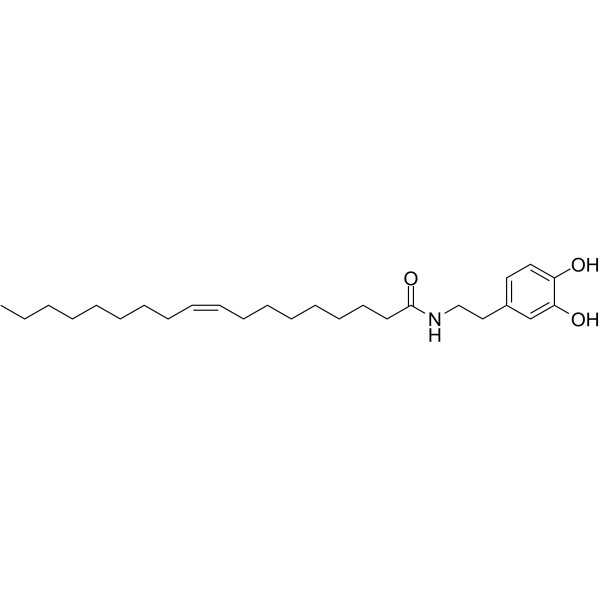 0 ImagesSynonyms: OLDAN-Oleoyldopamine (OLDA) is an orally active TRPV1 activator and 5-LOX inhibitor with blood-brain barrier permeability. N-Oleoyldopamine excites histaminergic neurons in the tuberomammillary nucleus via a dopamine receptor mechanism, a process independent of TRPV1 and cannabinoid receptors. On one hand, N-Oleoyldopamine promotes the release of insulin and glucose-dependent insulinotropic polypeptide through a GPR119-dependent pathway to improve glucose tolerance; on the other hand, N-Oleoyldopamine improves left ventricular function and reduces myocardial infarction size by triggering the release of substance P and calcitonin gene-related peptide. N-Oleoyldopamine is used in studies related to glycemic abnormalities and myocardial ischemia-reperfusion injury.
-
BD-1063 dihydrochloride
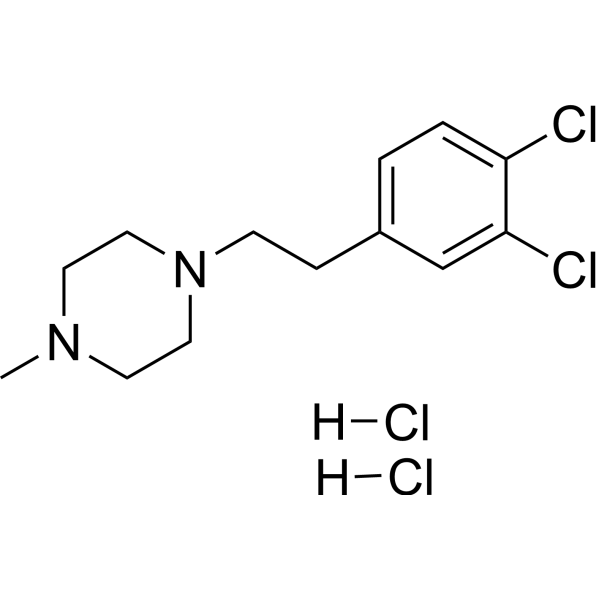 0 ImagesBD-1063 dihydrochloride is a selective σ-1 receptor antagonist with inhibitory activity against TRPC5 and TRPM3. BD-1063 dihydrochloride exerts anti-hyperalgesic and anti-allodynic effects by inhibiting sustained calcium influx mediated by TRPC5 and TRPM3, and reverses the effects of Carrageenan (HY-125474). BD-1063 dihydrochloride also significantly reduces excessive ethanol self-administration behavior. BD-1063 dihydrochloride is widely used in studies on the mechanisms underlying neuropathic pain, inflammatory hyperalgesia, and alcohol abuse and dependence.
-
8-Gingerol
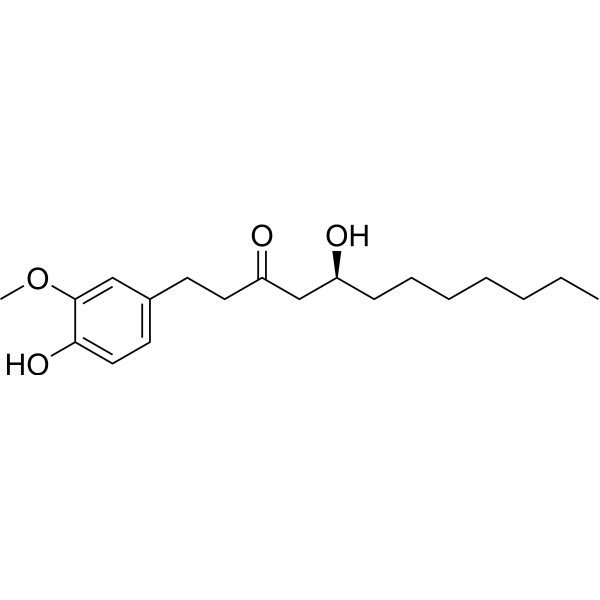 0 Images8-Gingerol can be found in the rhizome of ginger (Z. officinale) and has oral bioactivity. It activates TRPV1, with an EC50 value of 5.0 µM. 8-Gingerol inhibits COX-2 and also suppresses the growth of H. pylori in vitro. Additionally, 8-Gingerol exhibits anticancer, antioxidant, and anti-inflammatory properties by inhibiting the epidermal growth factor receptor (EGFR) and modulating its downstream STAT3/ERK pathway to suppress the proliferation, migration, and invasion of colorectal cancer cells. 8-Gingerol also exerts immunosuppressive effects by inhibiting oxidative stress, inducing cell cycle arrest, promoting apoptosis, and regulating autophagy. Furthermore, 8-Gingerol has cardioprotective effects. 8-Gingerol is promising for research in the fields of cancer, infection, immunosuppression, and cardiovascular diseases.
-
4aα,7α,7aα-Nepetalactone
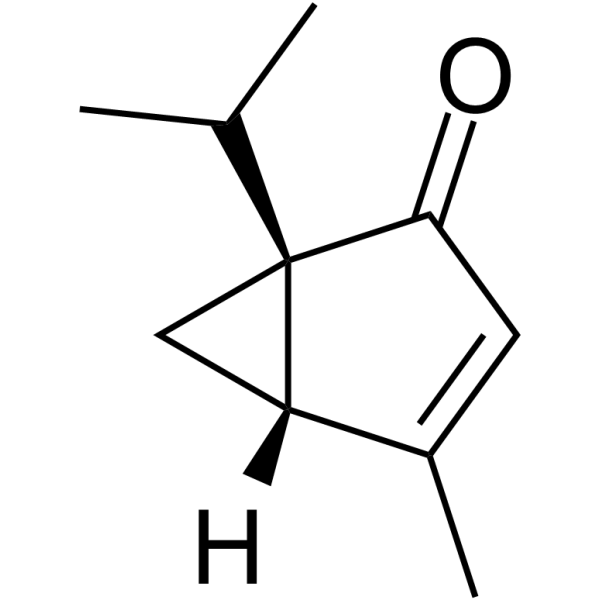
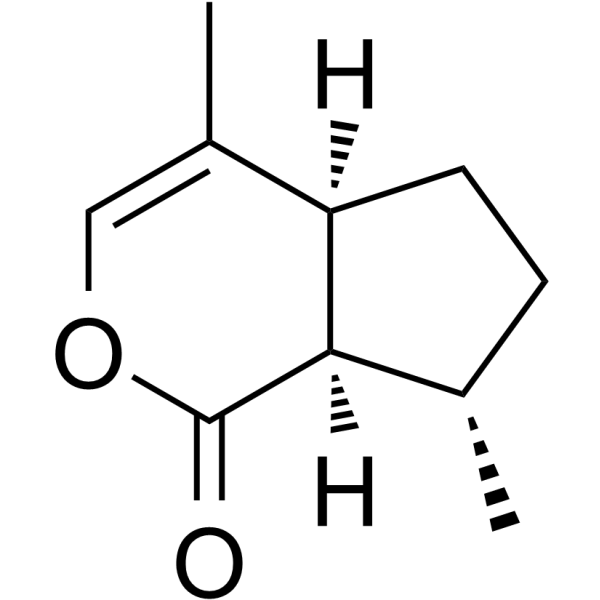 0 Images4aα,7α,7aα-Nepetalactone is an iridoid compound, a TRPA1 agonist, a repellent, and an attractant. 4aα,7α,7aα-Nepetalactone can be isolated from the oil of N. crispa. 4aα,7α,7aα-Nepetalactone induces repellent responses in three sap-sucking pests (Chinese psyllid, Asian citrus psyllid, and western flower thrips) via PKCα. Nepetalactone attracts two predatory lady beetles (Harmonia axyridis and Propylea japonica) through CaMKII. 4aα,7α,7aα-Nepetalactone causes mortality in Pogonomyrmex sp. ants. 4aα,7α,7aα-Nepetalactone can be used in studies related to bacterial infections and mandibulate pest infestations.
-
Pregnenolone monosulfate
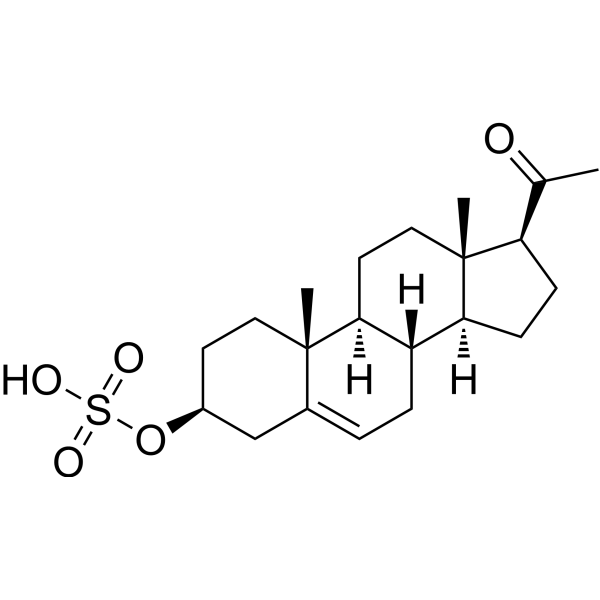 0 ImagesSynonyms: 3β-Hydroxy-5-pregnen-20-one monosulfatePregnenolone monosulfate (3β-Hydroxy-5-pregnen-20-one monosulfate) is a powerful neurosteroid, the main precursor of various steroid hormones including steroid ketones. Pregnenolone monosulfate acts as a signaling-specific inhibitor of cannabinoid CB1 receptor, inhibits the effects of tetrahydrocannabinol (THC) that are mediated by the CB1 receptors. Pregnenolone monosulfate can protect the brain from cannabis intoxication. Pregnenolone monosulfate is also a TRPM3 channel activator, and also can weakly activate TRPM1 channels.
-
Cyclic ADP-ribose
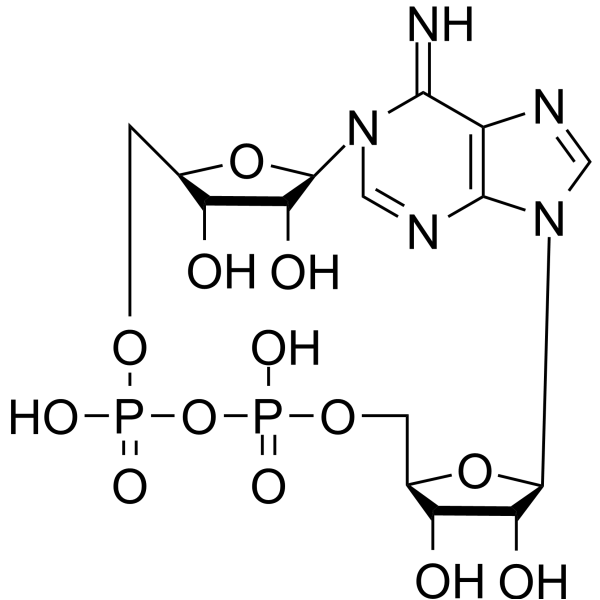 0 ImagesCat. No.: HY-N7395CAS No.: 119340-53-3Synonyms: cADPRCyclic ADP-ribose (cADPR) is a potent second messenger for calcium mobilization that is synthesized from NAD+ by an ADP-ribosyl cyclase. Cyclic ADP-ribose increases cytosolic calcium mainly by Ryanodine receptor-mediated release from endoplasmic reticulum and also by extracellular influx through the opening of TRPM2 channels.
-
SN 2
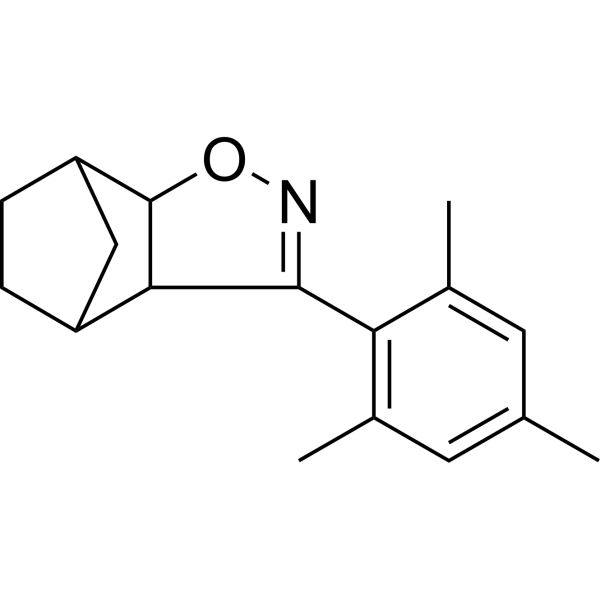 0 ImagesSN 2 is a potent activator of TRPML3 ion channel with an EC50 of 1.8 μM. SN 2 also acts as a potent inhibitor of Dengue virus 2 (DENV2) and Zika virus (ZIKV).
-
TRPM4-IN-1
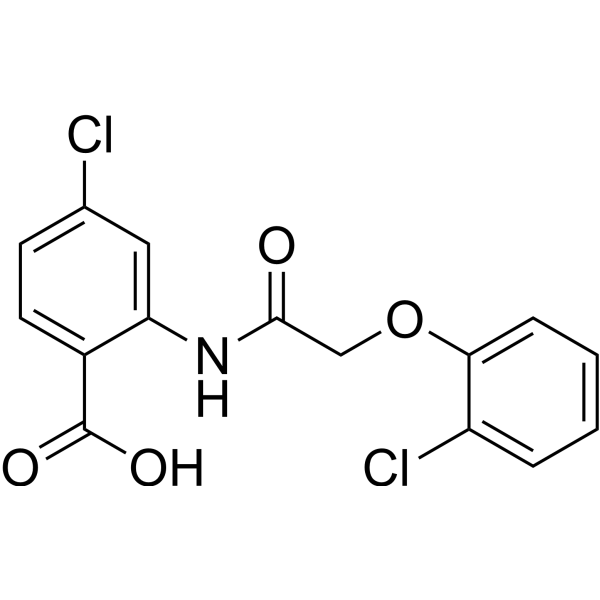 0 ImagesSynonyms: CBATRPM4-IN-1 (CBA) is a potent and selective inhibitor of the cation channel TRPM4, with an IC50 of 1.5 μM. TRPM4-IN-1 can be used for the research of cardiac diseases and prostate cancer.
-
Apecotrep
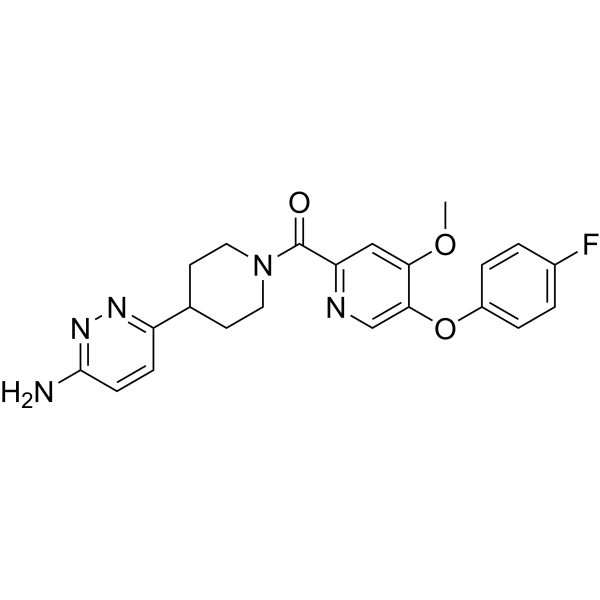 0 ImagesSynonyms: TRPC6-IN-3Apecotrep (TRPC6-IN-3) (compound 17) is a potent, orally active transient receptor potential C6 ion channel (TRPC6) inhibitor. Apecotrep modulates not only intracellular calcium concentration, but also membrane potential by modulating the flux of cations including calcium and sodium ions. Apecotrep can be used in research of respiratory system.
-
AC1903
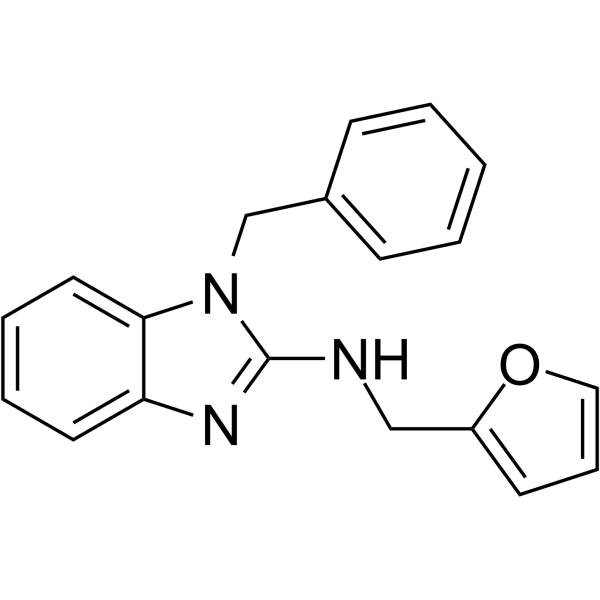 0 ImagesAC1903 is a specific and selective inhibitor of TRPC5 and has podocyte-protective properties. AC1903 does no effects on TRPC4 or TRPC6 currents and shows no off-target effects in kinase profiling assays. AC1903 suppresses severe proteinuria and prevents podocyte loss in focal segmental glomerulosclerosis (FSGS) rat model.
-
Dyclonine hydrochloride
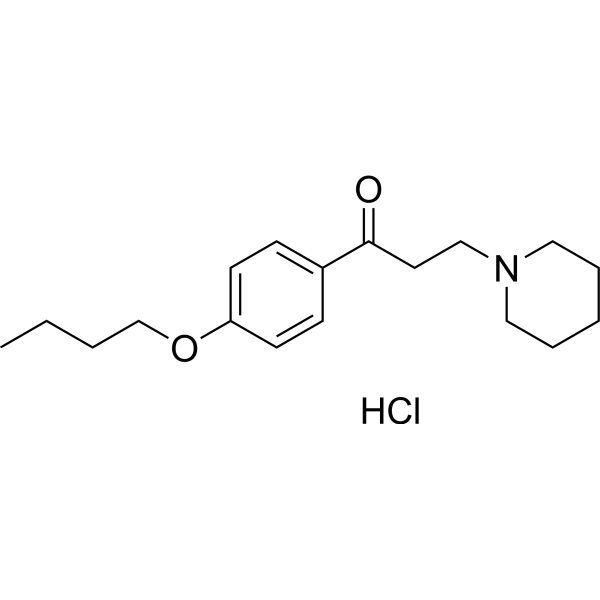 0 ImagesDyclonine hydrochloride (Dyclocaine hydrochloride) is an orally active, blood-brain barrier-permeable piperidine phenylacetone small molecule commonly used as a local anesthetic. Dyclonine hydrochloride acts as a highly selective allosteric antagonist of TRPV3; it also reversibly inhibits G9a, ALDH2 and ALDH3A1, non-competitively blocks AChE. Dyclonine hydrochloride activates the Nrf2/ARE pathway, relieves the epigenetic silencing of FXN, blocks Aβ42 aggregation, and promotes remyelination and reparative polarization of microglia. Dyclonine hydrochloride alleviates pruritus via TRPV3 inhibition; it is used in studies of neurodegenerative disease models based on its AChE inhibitory, antioxidant and remyelinating effects; it sensitizes drug-resistant tumors through ALDH inhibition, and combined use with protease inhibitors induces more tumor cell apoptosis; it inhibits Candida albicans in vitro. Dyclonine hydrochloride can be used for research on multiple diseases including neurodegenerative diseases, cancer and pruritic dermatitis.
-
JT010
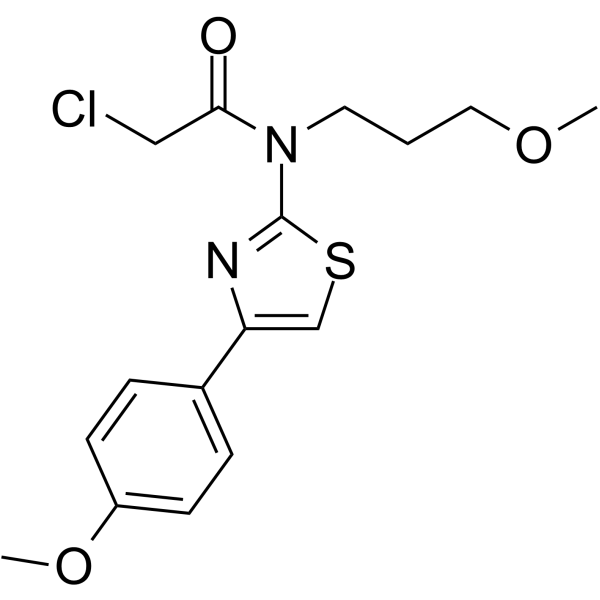 0 ImagesJT010 is a covalent and site-selective TRPA1 agonist. JT010 can be used in myocardial infarction research.
-
Trpvicin
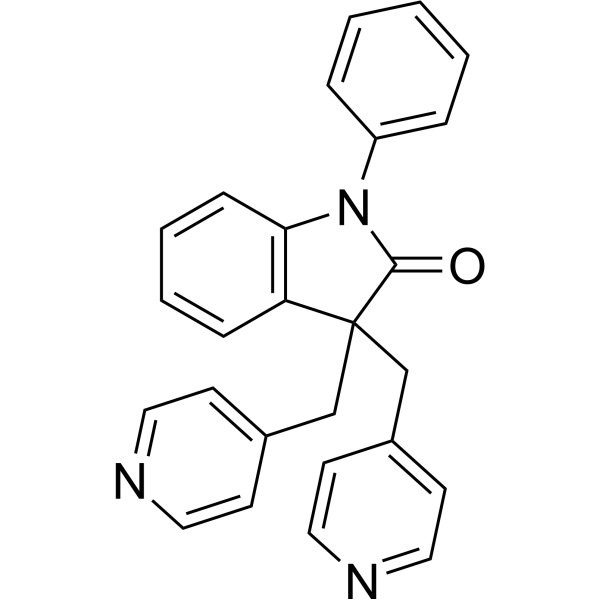
 0 ImagesTrpvicin is a potent and subtype-selective TRPV3 inhibitor with IC50s of 0.41 and 0.22 μM for hTRPV3-WT and hTRPV3-G573S mutant, respectively. Trpvicin exhibits minimal effects on other TRP family members (such as TRPV1/2/4/5/6, TRPA1 and TRPM8). Trpvicin inhibits the TRPV3 channel by stabilizing it in a closed state via VSLD-PD binding. Trpvicin accesses additional binding sites inside the central cavity of the G573S mutant to remodel symmetry and block the channel. Trpvicin inhibits itch and hair loss in mouse models. Trpvicin can be used for study of inflammation and immunology.
-
Moringin
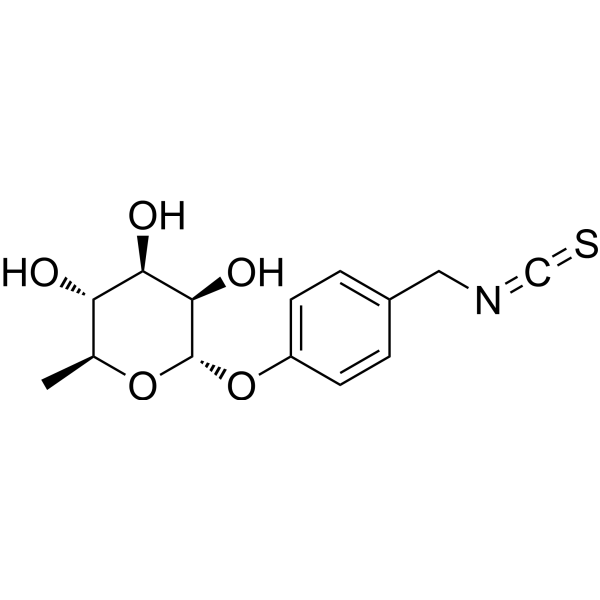 0 ImagesMoringin is a potent and selective TRPA1 ion channel natural agonist with an EC50 of 3.14 μM. Moringin does not activate or activates very weakly the vanilloids somatosensory channels TRPV1, TRPV2, TRPV3 and TRPV4, and the melastatin cooling receptor TRPM8. Moringin has hypoglycemic, antimicrobial, anti-inflammatory, anticancer and neuroprotection activities.
-
Tivanisiran sodium
 0 ImagesCat. No.: HY-132596ACAS No.: 1848239-71-3Synonyms: SYL1001 sodiumTivanisiran sodium (SYL1001 sodium) is a small interfering RNA (siRNA) targeting TRPV1 . Tivanisiran sodium induces the degradation of TRPV1 mRNA, thereby inhibiting protein synthesis. Tivanisiran sodium alleviates ocular discomfort and pain, and improves ocular hyperemia and tear quality. Tivanisiran sodium is applicable to research related to dry eye disease.




